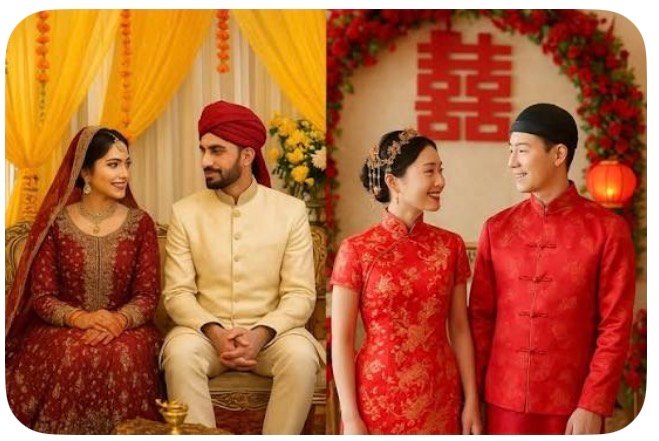

China Announces Big Cash Rewards for Anyone Who Gets Married and Has Kids
China is facing a demographic challenge that could reshape its future. In response to declining birth rates and a rapidly aging population, the government is introducing new incentives — including cash rewards for couples who marry and have children. The policy aims to encourage young people to start families and help stabilize the country’s shrinking population.
But why is China taking such a bold step, and will financial incentives actually convince people to marry and have children? Let’s take a closer look at what’s happening and what it could mean for China’s society and economy.
Why China Is Offering Cash Rewards for Marriage and Children
For decades, China struggled with overpopulation. In 1979, the country introduced the famous one-child policy to control population growth. While the policy slowed growth, it also created long-term demographic problems.
Today, China faces the opposite issue: too few births.
Several factors have contributed to this shift:
1. Declining Birth Rates
China’s birth rate has dropped dramatically over the past decade. Many young adults are delaying marriage or choosing not to have children due to financial pressures, career priorities, and changing lifestyles.
2. Rising Cost of Living
Raising children in major Chinese cities can be extremely expensive. Costs related to housing, education, and childcare often discourage couples from having larger families — or any children at all.
3. Aging Population
China’s population is aging rapidly. A smaller workforce supporting a growing elderly population could put pressure on the country’s economy, healthcare system, and pension programs.
Because of these challenges, the government is now trying to encourage marriage and childbirth through financial incentives.
What the New Cash Rewards Include
Local governments across China have started introducing programs to financially reward couples who marry and have children.
These incentives vary by region but often include:
Cash Bonuses for Marriage
Some cities are offering direct payments to couples who register their marriage. These payments are intended to encourage younger adults to marry earlier.
Birth Incentives
Couples who have children may receive:
- One-time birth bonuses
- Monthly childcare subsidies
- Tax benefits
- Housing support
In certain regions, the combined benefits for families with multiple children can add up to thousands of dollars in support.
Childcare and Education Support
Beyond direct cash payments, some local governments are also expanding:
- Affordable daycare services
- Parental leave policies
- Education subsidies
These efforts aim to reduce the financial burden of raising children.
Will Financial Incentives Work?
Offering money for marriage and childbirth may sound simple, but the issue is far more complex.
Cultural and Social Changes
Many young Chinese adults are rethinking traditional life paths. Career goals, personal freedom, and urban lifestyles often take priority over early marriage and large families.
Economic Pressures
Even with government incentives, the cost of raising children can far exceed the financial rewards. In major cities like Beijing or Shanghai, education and housing costs remain major barriers.
Delayed Marriage Trends
Marriage rates have been declining steadily. Some young adults prefer to focus on career development or choose not to marry at all.
Because of these trends, experts say cash incentives alone may not fully solve the problem.
How China’s Policy Compares to Other Countries
China is not the only country struggling with falling birth rates.
Several countries have already introduced similar policies:
South Korea
South Korea offers some of the world’s largest childbirth incentives, including cash payments, childcare subsidies, and housing benefits.
Japan
Japan provides financial support for families with children, including monthly allowances and childcare assistance.
European Countries
Nations like France and Hungary provide generous family benefits such as paid parental leave, tax breaks, and childcare subsidies.
Despite these efforts, many countries continue to struggle with low fertility rates — showing how difficult it is to reverse demographic trends.
What This Means for China’s Future
China’s new cash reward programs reflect a major shift in policy. Just a few decades ago, the government worked to limit births. Today, it is actively encouraging them.
If successful, these incentives could help:
- Stabilize population decline
- Maintain a strong workforce
- Support economic growth
- Balance the aging population
However, solving the birth rate crisis will likely require long-term social and economic reforms, not just financial rewards.
Conclusion
China’s decision to offer cash rewards for marriage and childbirth highlights the growing urgency of its demographic challenge. With fewer young people choosing to marry or have children, the government is experimenting with financial incentives to reverse the trend.
While these programs may provide helpful support for families, the real solution may involve addressing deeper issues such as housing costs, work-life balance, and childcare accessibility.
In the coming years, the world will be watching closely to see whether China’s marriage and birth incentives can successfully encourage a new generation to start families — and reshape the country’s demographic future.