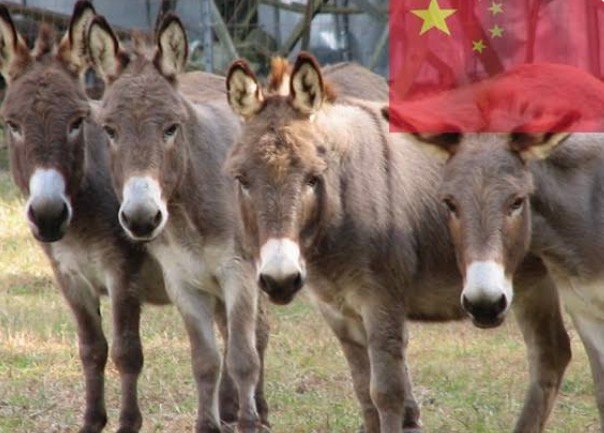

Donkey Prices in Pakistan Soar as Demand from China Increases
If you’ve been keeping an eye on livestock markets in Pakistan lately, you may have noticed something surprising: donkey prices are climbing fast. What was once considered a low-value animal is now becoming an unexpected economic asset. The driving force? A surge in demand from China that’s reshaping local markets and livelihoods.
Let’s unpack what’s happening, why it matters, and what it could mean for the future.
Why Are Donkey Prices Rising in Pakistan?
Growing Demand from China
The primary factor behind rising donkey prices in Pakistan is increasing demand from China, where donkey hides are used to produce ejiao—a traditional medicinal product believed to improve blood circulation and overall health.
China’s domestic donkey population has declined significantly over the years due to urbanization and mechanization. To meet demand, Chinese buyers are turning to countries like Pakistan, where donkeys are still widely available.
Export Opportunities Expanding
Pakistan has started tapping into this demand by exploring formal donkey export channels. This has led to:
- Increased interest from traders and middlemen
- Rising competition in livestock markets
- Higher prices for even average-quality animals
In some regions, donkey prices have reportedly doubled compared to previous years.
Impact on Local Markets and Communities
Rising Income for Farmers
For small farmers and livestock owners, this price surge presents a unique opportunity. Donkeys, often overlooked in favor of cows or goats, are now becoming a profitable asset.
Example:
A farmer who previously sold a donkey for Rs. 25,000 may now fetch Rs. 50,000 or more, depending on size and health.
This additional income can support rural households, especially in economically challenged areas.
Challenges for Traditional Users
However, not everyone benefits from rising prices. Donkeys are essential working animals in many parts of Pakistan, particularly for:
- Transporting goods in rural areas
- Brick kiln labor
- Construction work
As prices increase, laborers and small businesses that rely on donkeys may struggle to afford them, potentially disrupting local economies.
Supply Constraints and Ethical Concerns
Limited Breeding and Supply
Pakistan does not yet have a large-scale, organized donkey breeding industry. As demand rises:
- Supply struggles to keep up
- Prices continue to climb
- Risk of overtrading increases
Without proper breeding programs, this trend may not be sustainable long-term.
Animal Welfare Issues
Another growing concern is animal welfare. Increased demand can sometimes lead to:
- Poor transportation conditions
- Overworking animals
- Illegal or unregulated trade practices
Experts emphasize the need for stricter regulations and humane treatment standards as the industry grows.
Government Response and Policy Considerations
Regulation and Export Controls
The Pakistani government has started paying attention to the issue, considering policies such as:
- Regulating donkey exports
- Establishing quarantine and health standards
- Encouraging formal trade agreements with China
Proper regulation could help maximize economic benefits while minimizing risks.
Investment in Breeding Programs
To sustain the industry, experts suggest investing in:
- Scientific breeding farms
- Veterinary care infrastructure
- Training programs for farmers
This could turn donkey farming into a stable and scalable sector.
What This Means for the Future
A New Livestock Economy?
The rise in donkey prices signals a shift in how certain animals are valued. What was once a low-priority livestock segment may now evolve into a specialized export industry.
If managed well, Pakistan could:
- Become a key supplier in the global donkey trade
- Create new income streams for rural communities
- Strengthen its agricultural export portfolio
Risks to Watch
However, the future isn’t without challenges:
- Overdependence on a single export market
- Price volatility
- Ethical and environmental concerns
Balancing growth with sustainability will be critical.
Actionable Tips for Farmers and Traders
If you’re involved in livestock or considering entering this market, here are a few practical tips:
For Farmers
- Focus on healthy breeding practices to improve quality
- Maintain proper nutrition and veterinary care
- Track market trends before selling
For Traders
- Ensure compliance with legal export regulations
- Avoid participating in unregulated or unethical trade
- Build connections with reliable buyers and suppliers
Conclusion: Opportunity Meets Responsibility
The surge in donkey prices in Pakistan, fueled by rising demand from China, is more than just a market trend—it’s a glimpse into a changing economic landscape. For many, it’s a chance to improve livelihoods and tap into global trade. But it also brings challenges that require careful management.
The real opportunity lies in doing this right: building a sustainable, ethical, and well-regulated industry that benefits both people and animals. If Pakistan can strike that balance, this unlikely livestock story could turn into a long-term success.