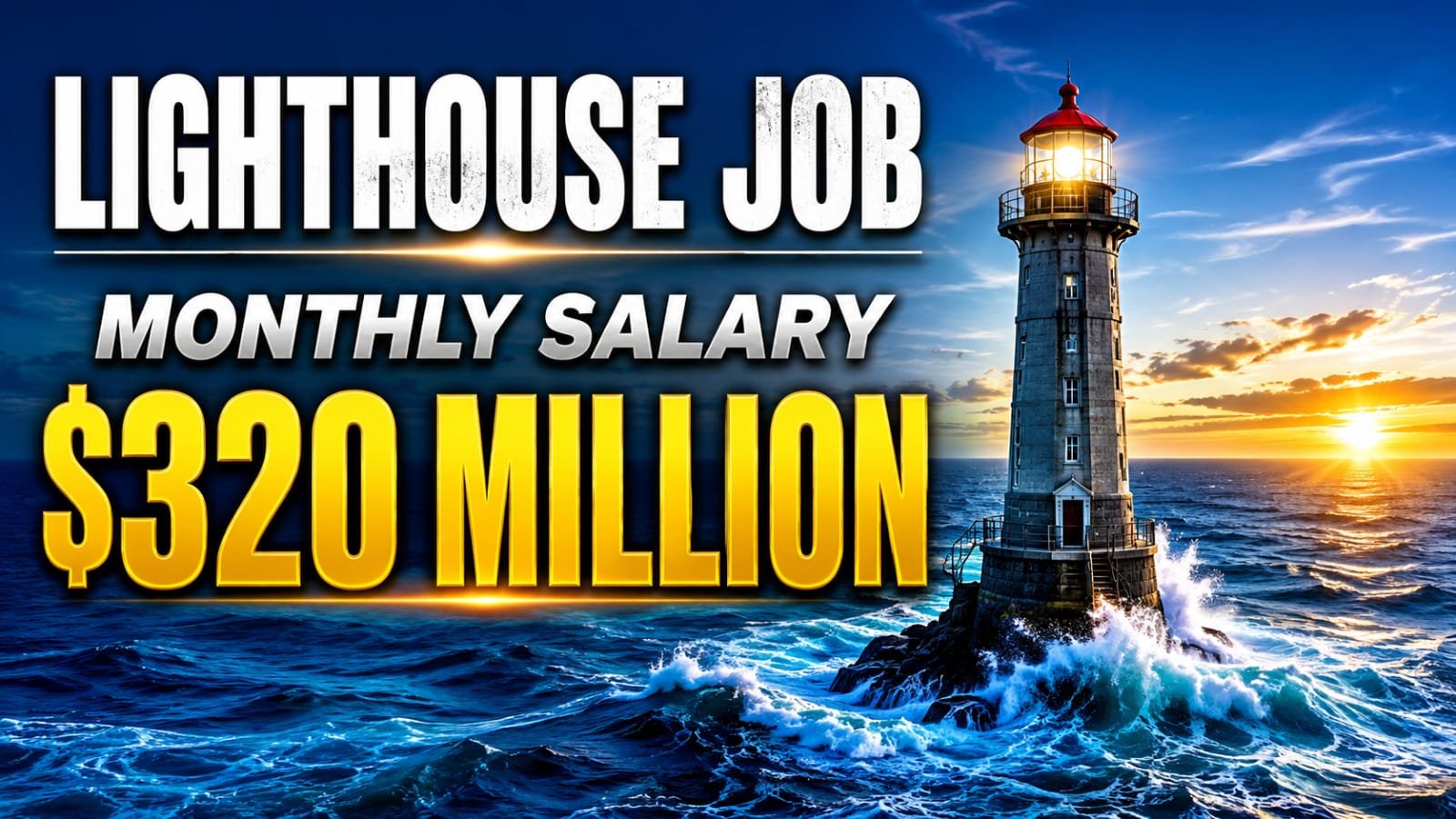

Imagine spending your workdays overlooking breathtaking ocean views, helping ships navigate safely, and maintaining one of the world’s most iconic maritime structures. While lighthouse keepers are no longer as common as they once were, lighthouse-related careers still exist in many countries through government agencies, maritime authorities, tourism organizations, and heritage conservation departments.
As interest in unique and meaningful careers continues to grow, many job seekers are searching for information about Lighthouse Jobs 2026, including salary packages, eligibility requirements, and application procedures. If you’re curious about working in or around lighthouses, this guide covers everything you need to know.
What Are Lighthouse Jobs?
Lighthouse jobs refer to positions associated with the operation, maintenance, preservation, and management of lighthouse facilities. Modern lighthouses are often automated, but they still require skilled professionals to ensure safety, maintenance, and public access.
Common lighthouse-related roles include:
- Lighthouse Maintenance Technician
- Maritime Safety Officer
- Coastal Operations Specialist
- Heritage Site Manager
- Tourism and Visitor Center Coordinator
- Electrical and Mechanical Technician
- Environmental Monitoring Officer
Depending on the country and organization, these jobs may be offered by coast guards, maritime administrations, transportation departments, or tourism authorities.
Lighthouse Jobs 2026 Salary
One of the most frequently asked questions is how much lighthouse workers earn. Salaries vary significantly depending on location, job title, qualifications, and employer.
Estimated Salary Ranges
| Position | Estimated Annual Salary |
|---|---|
| Maintenance Technician | $35,000 – $60,000 |
| Maritime Safety Officer | $45,000 – $80,000 |
| Lighthouse Manager | $50,000 – $90,000 |
| Heritage Site Coordinator | $40,000 – $70,000 |
| Engineering Specialist | $60,000 – $100,000+ |
Factors Affecting Salary
Several factors influence compensation:
- Educational background
- Technical certifications
- Years of experience
- Geographic location
- Government vs. private sector employment
- Specialized maritime skills
Employees working in remote coastal regions may also receive housing allowances, travel benefits, or hardship compensation.
Requirements for Lighthouse Jobs 2026
The qualifications required depend on the specific role. However, most employers look for a combination of education, technical skills, and physical fitness.
Educational Requirements
Typical educational qualifications include:
- High school diploma or equivalent for entry-level positions
- Associate or bachelor’s degree in engineering, maritime studies, environmental science, or related fields for advanced roles
- Technical training certificates for maintenance and operations positions
Skills Employers Look For
Successful candidates often possess:
- Problem-solving abilities
- Mechanical and electrical knowledge
- Communication skills
- Attention to detail
- Emergency response awareness
- Computer and reporting skills
Physical Requirements
Many lighthouse jobs involve outdoor work and may require:
- Climbing stairs and towers
- Working in harsh weather conditions
- Carrying equipment
- Traveling to remote coastal locations
Good physical fitness can be a significant advantage.
Responsibilities of Lighthouse Workers
Modern lighthouse professionals perform a wide variety of duties beyond simply operating a light.
Maintenance and Operations
Responsibilities may include:
- Inspecting navigation equipment
- Repairing electrical systems
- Monitoring power supplies
- Maintaining buildings and grounds
Maritime Safety
Safety-related tasks can involve:
- Monitoring coastal conditions
- Reporting hazards
- Supporting navigation systems
- Coordinating with maritime authorities
Tourism and Public Engagement
Many historic lighthouses attract visitors. Employees may:
- Conduct guided tours
- Manage visitor facilities
- Organize educational programs
- Promote local tourism initiatives
How to Apply for Lighthouse Jobs 2026
Finding and securing a lighthouse-related position requires preparation and research.
Step 1: Research Available Opportunities
Look for openings through:
- Maritime authorities
- Coast guard organizations
- Government employment portals
- Heritage conservation agencies
- Tourism departments
Set job alerts to stay informed about new vacancies.
Step 2: Prepare Your Resume
Highlight relevant experience such as:
- Technical maintenance work
- Engineering skills
- Maritime experience
- Public service roles
- Safety certifications
Tailor your resume to each position.
Step 3: Obtain Relevant Certifications
Useful certifications may include:
- First Aid and CPR
- Electrical maintenance training
- Occupational safety certifications
- Maritime operations credentials
These qualifications can make your application more competitive.
Step 4: Submit Your Application
Carefully follow application instructions and ensure all required documents are included, such as:
- Resume
- Cover letter
- Educational certificates
- Professional references
Incomplete applications are often rejected during initial screening.
Step 5: Prepare for the Interview
Employers may ask questions about:
- Technical troubleshooting
- Safety procedures
- Working independently
- Handling emergency situations
- Adapting to remote work environments
Research the organization beforehand and be prepared to discuss your relevant skills.
Tips for Landing a Lighthouse Job in 2026
To improve your chances of success:
- Gain technical maintenance experience.
- Build knowledge of maritime operations.
- Earn safety and first-aid certifications.
- Develop strong communication skills.
- Stay updated on government job announcements.
- Be willing to work in remote coastal locations.
Candidates who demonstrate both technical competence and adaptability often stand out during the hiring process.
Conclusion
Lighthouse Jobs 2026 offer a unique blend of maritime safety, technical work, heritage preservation, and public service. While traditional lighthouse keeper positions are rare today, numerous opportunities exist in maintenance, engineering, tourism, and coastal operations. Salaries can be competitive, especially for specialized roles, and candidates with relevant technical skills and certifications have the best prospects.