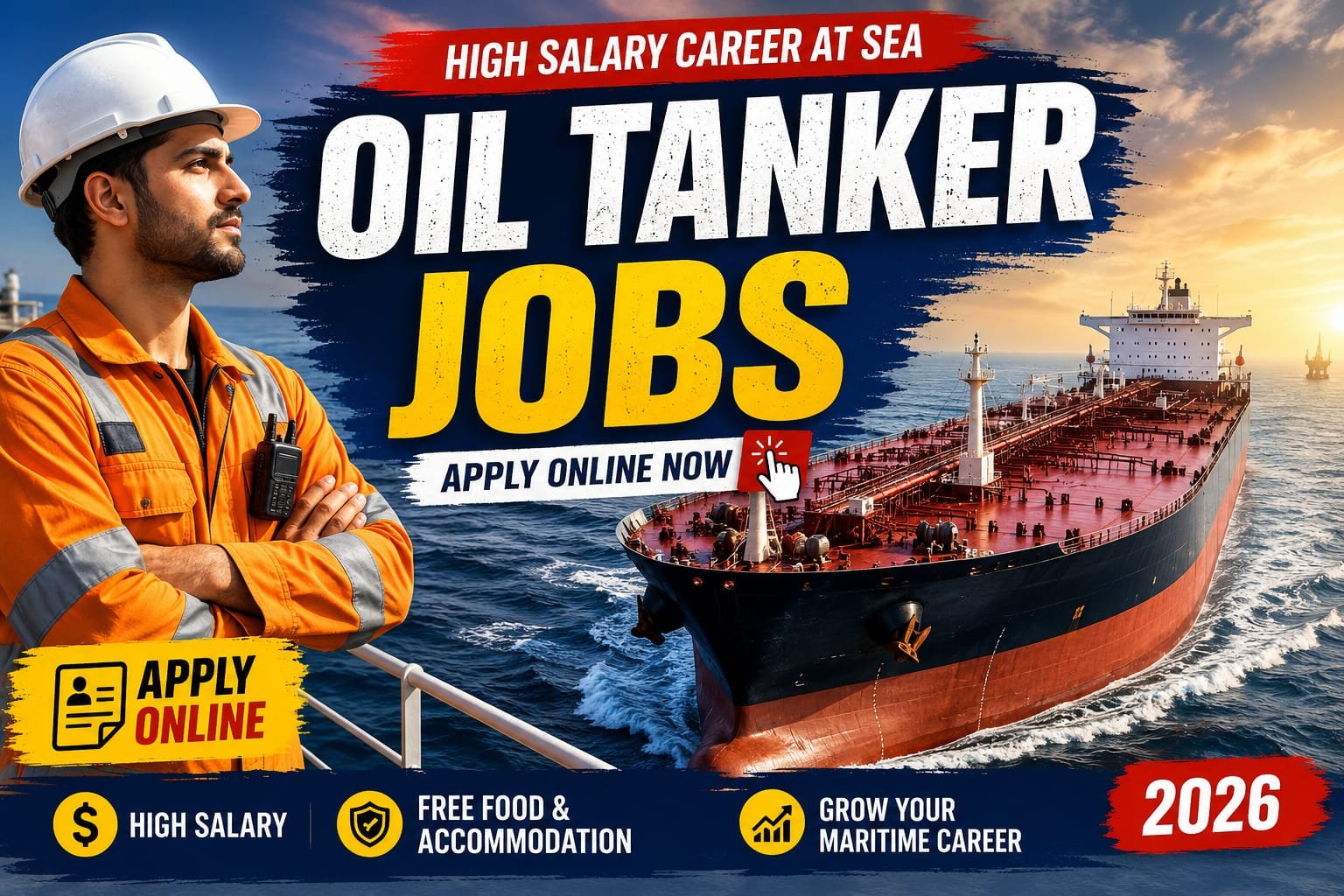

The global shipping industry continues to offer some of the highest-paying opportunities for skilled seafarers, and Oil Tanker Jobs 2026 are expected to remain in strong demand. As international trade grows and energy transportation continues across the world, shipping companies are actively recruiting qualified crew members for modern oil tankers.
Whether you’re an experienced sailor or someone planning to begin a maritime career, working on an oil tanker can provide excellent salaries, international travel opportunities, tax advantages in some countries, and valuable professional experience. This guide explains everything you need to know about oil tanker jobs in 2026, including eligibility, salaries, job roles, and the online application process.
Why Choose an Oil Tanker Career?
Oil tankers transport crude oil and petroleum products across international waters. Since these vessels carry valuable cargo and operate under strict safety standards, companies are willing to pay competitive salaries to qualified crew members.
Some major benefits include:
- Attractive monthly salaries
- International work experience
- Long-term career growth
- Modern ships with improved safety standards
- Opportunities to work for leading global shipping companies
Many seafarers also appreciate the structured work schedules, where several months at sea are followed by extended leave periods.
Popular Oil Tanker Jobs in 2026
Shipping companies recruit professionals for various departments onboard.
Deck Department
Common positions include:
- Deck Cadet
- Ordinary Seaman (OS)
- Able Seaman (AB)
- Bosun
- Chief Officer
- Captain (Master)
These crew members handle navigation, cargo operations, maintenance, and safety procedures.
Engine Department
Popular roles include:
- Engine Cadet
- Oiler
- Wiper
- Motorman
- Third Engineer
- Second Engineer
- Chief Engineer
Engine department staff maintain the ship’s machinery and ensure smooth operation throughout the voyage.
Catering Department
Many vessels also hire:
- Chief Cook
- Assistant Cook
- Steward
- Messman
These professionals prepare meals and maintain accommodation areas for the crew.
Eligibility Requirements
Although requirements vary by employer, most oil tanker jobs require candidates to have:
- Valid passport
- STCW certification
- Medical fitness certificate
- Seafarer Identification Document (where applicable)
- English communication skills
- Relevant maritime qualifications
- Previous sea experience (for senior positions)
Entry-level positions may require limited experience, while officer-level jobs usually demand recognized maritime licenses and sea service records.
Oil Tanker Salary in 2026
One of the biggest attractions of oil tanker careers is the competitive salary.
Approximate monthly earnings include:
| Position | Estimated Monthly Salary |
|---|---|
| Ordinary Seaman | $1,200–$2,200 |
| Able Seaman | $2,000–$3,500 |
| Oiler | $1,500–$2,800 |
| Third Engineer | $4,000–$7,000 |
| Chief Officer | $7,000–$11,000 |
| Captain | $9,000–$16,000+ |
Actual salaries depend on the shipping company, vessel type, contract length, nationality, and experience.
Skills That Improve Your Hiring Chances
Shipping companies often look beyond certificates. Candidates who demonstrate the following skills may have an advantage:
- Strong teamwork
- Safety awareness
- Problem-solving ability
- Physical fitness
- Discipline
- Basic computer knowledge
- Good communication in English
A positive attitude and willingness to follow international safety procedures are highly valued.
How to Apply Online for Oil Tanker Jobs
Applying online has become easier than ever. Follow these steps:
1. Prepare Your Documents
Keep digital copies of:
- Passport
- Certificates
- Resume (CV)
- Sea service records
- Medical certificate
- Passport-size photograph
2. Create a Professional Maritime CV
Highlight:
- Sea experience
- Certifications
- Technical skills
- Languages spoken
- Contact information
A clear and updated CV increases your chances of being shortlisted.
3. Apply Through Reputable Shipping Companies
Many international shipping companies publish vacancies directly on their official career pages or through licensed maritime recruitment agencies. Avoid unofficial recruiters requesting large upfront payments for guaranteed jobs.
4. Attend Interviews
Interviews may be conducted online through video calls or in person. Employers commonly ask about:
- Previous sea experience
- Safety procedures
- Emergency response
- Teamwork
- Technical knowledge
Tips for Success
If you’re serious about building a long-term maritime career:
- Keep all certificates valid.
- Improve your English communication skills.
- Gain experience on different vessel types.
- Complete additional safety training when available.
- Apply regularly and monitor new job openings.
- Verify recruiters before submitting personal documents.
Consistency and professionalism can significantly improve your employment prospects.
Career Growth Opportunities
Oil tanker careers offer excellent promotion paths. A cadet can gradually become an officer, chief officer, and eventually a captain after completing the required sea time, examinations, and certifications.
Similarly, engine department crew members can advance from junior roles to chief engineer through experience and professional development.
With dedication, many seafarers build rewarding international careers that provide financial stability and long-term employment.
Conclusion
Oil Tanker Jobs 2026 present an excellent opportunity for individuals seeking high-paying international sea careers. From entry-level crew positions to senior officer roles, the maritime industry continues to demand skilled professionals who meet global safety and certification standards.
Before applying, ensure your documents are complete, your certifications are current, and you apply only through reputable employers or licensed recruitment agencies. With proper preparation and persistence, an oil tanker career can offer competitive income, global experience, and outstanding long-term career growth.